Sep 20, 2026 · WHMIS · 3 Min Read
WHMIS 2015 Explained in Plain Language
TradeCertPrep.ca Editorial Team
Author
A plain-language overview of WHMIS 2015: labels, safety data sheets and worker training, who is responsible for what, and your basic rights at work.
If you work with chemicals in Canada, you will hear about WHMIS in your first week. WHMIS (the Workplace Hazardous Materials Information System) is Canada's national system for telling workers what is in the products they use and how to handle them safely. This guide explains how WHMIS 2015 fits together so the details of your training make more sense.
What WHMIS 2015 is
WHMIS was updated in 2015 to line up with the Globally Harmonized System of Classification and Labelling of Chemicals, usually shortened to GHS. The aim of GHS is that a hazard symbol or a section of a safety data sheet means the same thing wherever a product was made. For workers, that means one set of symbols and one layout to learn.
WHMIS 2015 is built on a federal law and regulations, and each province and territory has its own workplace health and safety rules that put WHMIS into practice. The core content is the same across Canada, but your employer's obligations can differ in the details.
The three parts of hazard communication
WHMIS works through three connected pieces. If you remember these, most WHMIS questions become easier to answer.
- Labels give a quick warning on the container itself: what the product is, the main hazards and basic precautions.
- Safety data sheets (SDSs) give the detailed technical information behind the label, in a fixed 16-section layout.
- Worker education and training makes sure you know how to read labels and SDSs and how to work safely with the products at your site.
The label is the quick reference and the SDS is the full detail. If a label tells you a product is hazardous, the SDS tells you what to do about it.
Who is responsible for what
- Suppliers (manufacturers, importers and distributors) classify the product, put a supplier label on the container and provide the SDS.
- Employers make SDSs available to workers, make sure containers are labelled, and provide training and appropriate controls.
- Workers take part in training, follow safe work procedures and report problems such as missing or damaged labels.
Your three basic rights
Workers in Canada are commonly described as having three basic rights when it comes to workplace hazards: the right to know about hazards, the right to participate in health and safety, and the right to refuse unsafe work. Exactly how the right to refuse works is set by your jurisdiction, so ask your employer or health and safety representative how it applies where you work.
How to study WHMIS
A good order is to learn the pictograms first, then labels, then the SDS layout, and finally your rights and responsibilities. Practice questions help because they show you the kind of situations the material is meant to prepare you for.
- WHMIS Fundamentals Practice Test for a quick run-through of everything above.
- WHMIS Pictograms & Hazard Classes to learn the symbols.
- All WHMIS practice tests to work topic by topic.
This article is an unofficial study guide. It does not replace the training your employer or an accredited training provider gives you, and rules can differ by province or workplace, so follow your site's procedures and your regulator's requirements.
Recent blog & articles
Fresh ideas, insightful stories, and the latest updates.
Forklift Pre-Operation Inspection Guide
What to check before every shift, when to take a forklift out of service, and the habits that keep pedestrians safe around powered lift trucks.
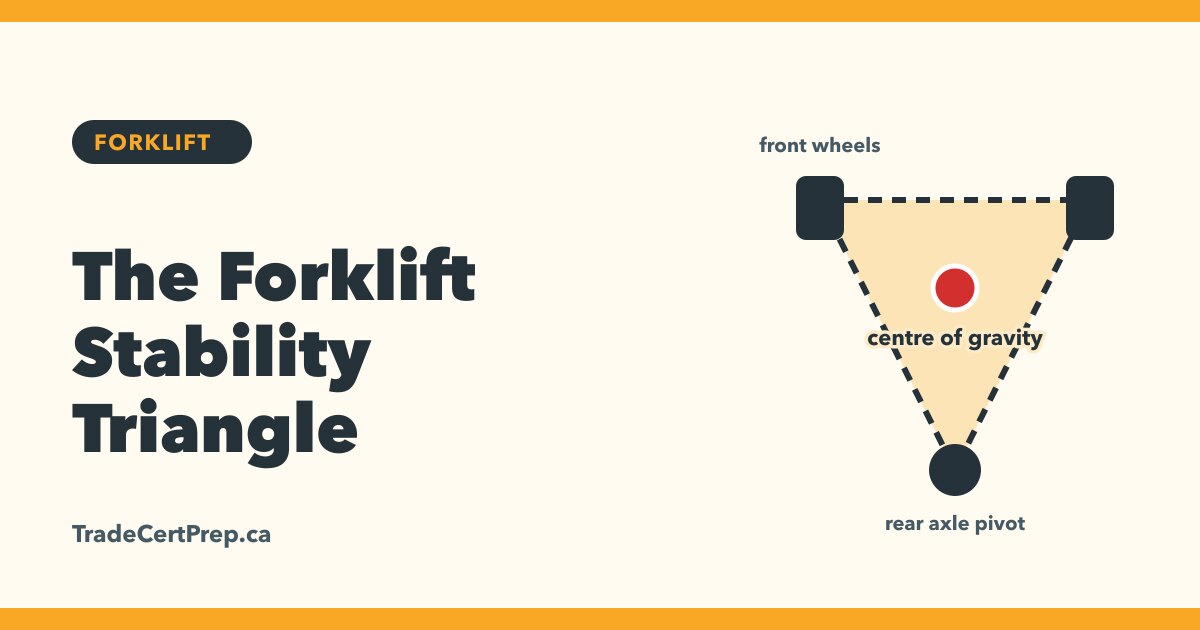
Forklift Stability Triangle Explained
Why forklifts tip and how to prevent it: the stability triangle, load centre, capacity plates and safe driving on ramps, explained in plain language.